Introduction
The growth of cryptocurrencies has brought new opportunities, but it has also raised security concerns. With billions in digital assets at stake, protecting your private keys is no longer optional — it is essential. Trezor Login provides a secure and user-friendly way to access your Trezor wallet, giving you complete control of your funds while keeping hackers and malicious actors at bay.
This guide explores everything you need to know about Trezor Login — from setup, features, and benefits to troubleshooting and best practices. Whether you’re a beginner setting up your wallet for the first time or an advanced crypto enthusiast, this resource ensures you can navigate Trezor’s login process with confidence.
Why Trezor Login Matters
Trezor wallets are hardware devices that store your private keys offline. Unlike hot wallets connected to the internet, Trezor minimizes exposure to online attacks. However, accessing your funds still requires a secure process — and that’s where Trezor Login comes into play. It ensures only you can unlock and use your wallet, even if your computer is compromised.
By combining physical confirmation on the device with encrypted communication, Trezor Login balances convenience with unbeatable security. It’s the gateway to your crypto world, and understanding it thoroughly empowers you to safeguard your digital wealth.
Key Features of Trezor Login
1. Hardware-Based Authentication
Every login attempt requires physical interaction with your Trezor device. This eliminates the risk of remote attackers gaining unauthorized access. Even if malware infects your computer, the final approval rests in your hands.
2. PIN and Passphrase Security
Trezor devices use PIN protection and optional passphrases for double-layered defense. The PIN entry method prevents brute-force attempts, while passphrases act as an extra “wallet within a wallet.” Both are verified directly on the hardware device.
3. Privacy by Design
Trezor Login does not collect unnecessary personal information. It functions purely as an authentication system, keeping your identity and activity private. Unlike centralized platforms, your wallet access remains decentralized and under your control.
4. Multi-Platform Support
Trezor Login works seamlessly across devices — desktops, laptops, and mobile setups. Whether you use Trezor Suite or browser-based integrations, the login experience remains consistent and secure.
5. Integration with Trezor Suite
When paired with Trezor Suite, the login process becomes even smoother. You can manage multiple coins, review transactions, and monitor portfolio performance directly after logging in with your Trezor device.
How to Log in with Trezor
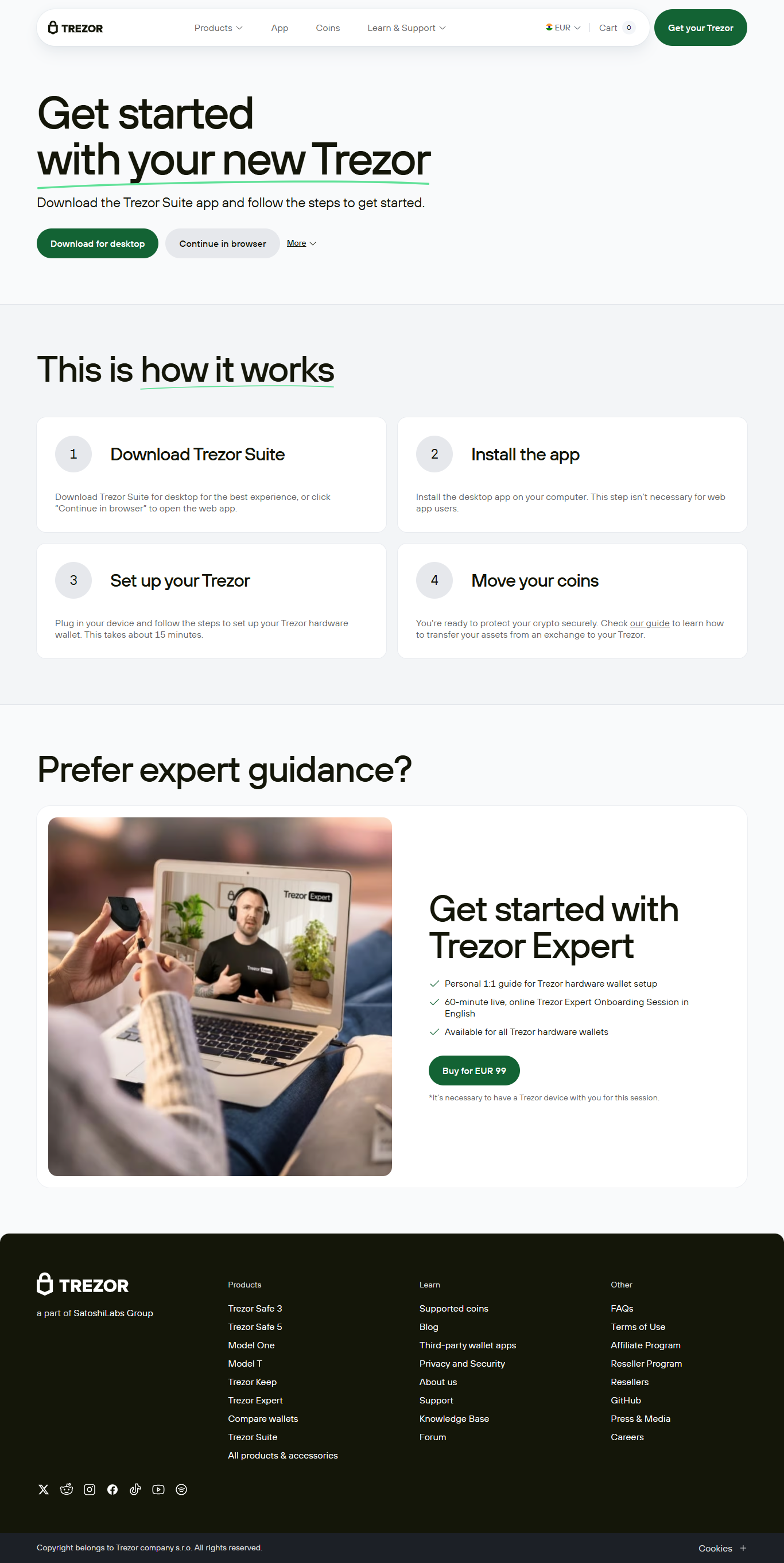
Accessing your wallet through Trezor Login involves a simple but secure sequence of steps:
- Connect your Trezor device to your computer using USB.
- Open Trezor Suite or a supported browser wallet integration.
- Enter your PIN directly on the secure Trezor device interface.
- (Optional) Input your passphrase for extra security.
- Confirm the login request on your Trezor hardware device.
Once verified, your wallet opens securely. No sensitive data ever leaves your device, ensuring your assets remain protected.
Benefits of Using Trezor Login
- Maximum Security: Protects against phishing, keyloggers, and remote hacks.
- Ease of Use: Intuitive process designed for both beginners and experts.
- Privacy: Keeps your login details decentralized and under your control.
- Flexibility: Supports multiple accounts, coins, and integrations.
- Peace of Mind: Knowing that only you can approve logins physically.
Trezor Login is the gold standard of crypto access — offering security without sacrificing convenience.
Troubleshooting Common Issues
Device Not Recognized
If your computer doesn’t detect your Trezor, try using a different USB cable or port. Ensure you’ve installed the necessary drivers or Trezor Bridge for browser connectivity.
Forgotten PIN
Resetting your device is possible if you forget your PIN. With your recovery seed, you can restore access. Without the seed, your funds remain inaccessible — highlighting the importance of securely storing your recovery phrase.
Browser Issues
Some browsers may block extensions needed for Trezor Login. Always use updated versions of Chrome or Firefox for best results.
Passphrase Confusion
If you enable passphrases, remember that each unique passphrase creates a different wallet. Double-check spelling and consistency to avoid login errors.
Best Practices for Secure Trezor Login
- Always verify login requests on your device screen before approving.
- Keep your recovery seed offline and never share it with anyone.
- Update Trezor firmware regularly for the latest security features.
- Avoid public or shared computers when logging in.
- Use strong passphrases if you want an extra layer of wallet protection.
By following these practices, you can maximize the safety of your crypto assets while enjoying a smooth login experience.
Why Trezor Login is Essential in Crypto Security
In the decentralized world of crypto, you are your own bank. This freedom also means full responsibility for security. Trezor Login ensures that even in an environment rife with threats, your wealth remains inaccessible to attackers. Unlike exchange accounts, there is no central server vulnerable to hacks. Your keys never leave your Trezor, making them nearly impossible to steal.
This makes Trezor Login more than just a convenience feature — it is the backbone of secure crypto self-custody.
Conclusion
Trezor Login is the gateway to safely accessing your Trezor hardware wallet. With its emphasis on offline security, physical confirmation, and user control, it offers unparalleled protection in the crypto industry. It simplifies access while eliminating common vulnerabilities found in online wallets and exchanges.
For anyone serious about cryptocurrency security, mastering the Trezor Login process is non-negotiable. It’s not just about accessing your wallet — it’s about ensuring your digital wealth is always under your full control, safeguarded against evolving online threats.